
Flat feet are common, and having a low or absent arch does not automatically mean something is wrong. For some people, supportive shoes, activity changes and exercises are enough to manage symptoms. But what happens when foot pain keeps returning despite these measures?
Key Takeaways
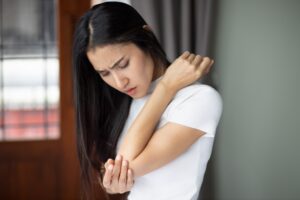
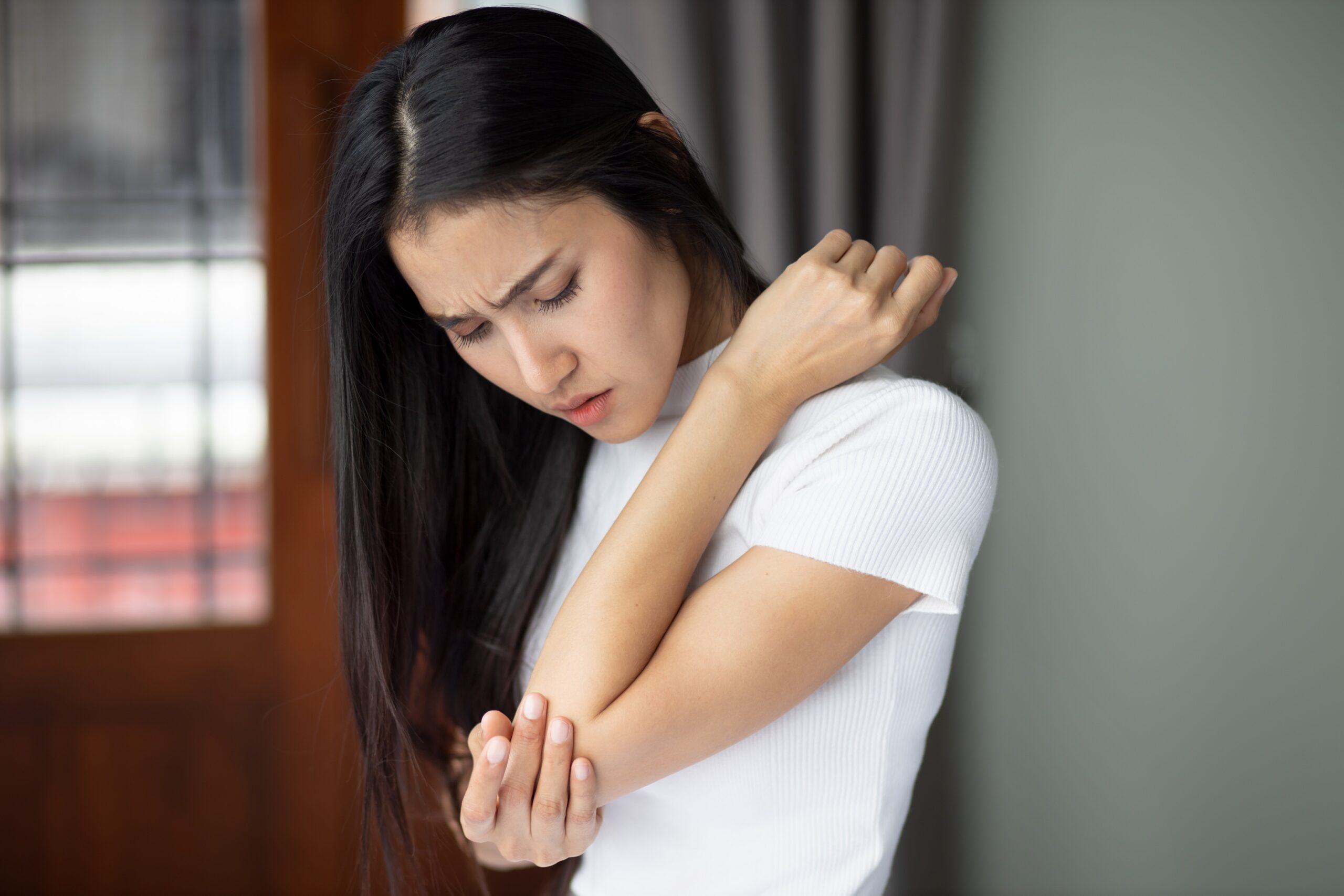
You rest your arm, the pain settles, and you assume the problem is finally gone. Then you return to tennis, the gym, computer work or another repetitive activity and the familiar ache around your elbow returns. Why does this happen?
- Pain improving does not always mean the elbow is ready for the same level of activity as before.
- Repeated strain on the tendons can contribute to recurring symptoms.
- Returning to an activity too quickly may give the irritated tissues more load than they can currently tolerate.
- Persistent or recurring elbow pain may need reassessment, particularly if the original diagnosis is uncertain.
- Treatment is usually guided by the cause of symptoms, activity demands and how the elbow responds over time.
Could the pain be gone before the problem has fully settled?
Tennis elbow, also called lateral elbow tendinopathy, involves pain around the outer part of the elbow, often associated with the tendons that help extend the wrist and fingers. However, one common mistake is to use pain as the only measure of recovery.
When the elbow stops hurting, it can be tempting to immediately return to the same workload. But if the activities that contributed to the symptoms have not changed, the elbow may become irritated again when the demands increase.
This can happen with activities such as,
- Repeated gripping or lifting
- Racquet sports
- Manual work involving the wrist and forearm
- Prolonged computer or mouse use in some people
- Sudden increases in exercise or training load
The issue is not necessarily that the elbow has been permanently damaged. Rather, the tissues may still be sensitive to the amount or type of load being placed on them.
What if the activity that caused it has never really changed?
Consider if your elbow hurts after a period of increased gym training. You rest for several weeks and feel better, but then return immediately to the same exercises at the previous intensity. The pain may return because the elbow is once again being exposed to a load it has not gradually adapted to.
This is why tennis elbow treatment is not simply about making the pain disappear. Your doctor may also consider how the symptoms started, what movements aggravate them and how the person’s activities can be modified while the elbow recovers.
Could recurring “tennis elbow” actually be something else?
Not every episode of outer elbow pain has the same cause. During an assessment, an orthopaedic doctor may consider other possible sources of pain, including problems involving the nerves, joints or other structures around the elbow. The location and pattern of pain, physical examination findings and the patient’s history can help determine whether the symptoms fit the tennis elbow.
Now, further assessment may be particularly useful when,
- Symptoms keep returning despite appropriate changes in activity.
- Pain is accompanied by significant weakness or altered sensation.
- The symptoms are affecting everyday activities.
- The original diagnosis was never confirmed.
- The pain has changed in character or location.
Imaging is not necessarily required for every case. If it is considered, the choice depends on the clinical situation.
Does recurring pain mean surgery is necessary?
Management of tennis elbow can vary according to the severity and duration of symptoms, functional limitations, previous treatment and the individual’s activity demands. Depending on the situation, care may involve activity modification, rehabilitation and exercises, pain-relieving measures or other treatments.
Procedures or surgery may be considered in selected cases when symptoms persist and other approaches have not provided adequate improvement. This decision requires an individual assessment rather than being based on pain alone.
Frequently Asked Questions (FAQs)
Can a tennis elbow come back after it has completely stopped hurting?
Yes. Symptoms can recur, particularly if the elbow is exposed again to activities or loads that aggravate it. A gradual return to activity may be appropriate depending on the individual situation.
Should I stop playing tennis if my elbow starts hurting again?
It may be sensible to reduce or modify activities that clearly aggravate the pain, but the appropriate level of activity varies. Persistent symptoms should be assessed rather than repeatedly managed through rest alone.
How long does a tennis elbow take to recover?
Recovery varies between individuals. The duration can depend on factors such as symptom duration, activity demands and response to management, so a fixed recovery period should not be assumed.
Do I need an MRI for a recurring tennis elbow?
Not necessarily. A clinical assessment may be sufficient in many cases. Imaging may be considered when the diagnosis is unclear, symptoms persist or another condition needs to be investigated.
When should I see an orthopaedic doctor?
Consider an assessment if elbow pain keeps returning, interferes with work or exercise, is accompanied by weakness or altered sensation, or does not improve despite reasonable activity modification.
Book a consultation
Recurring tennis elbow is worth looking at from a broader perspective than pain alone. The activity that loads the elbow, how quickly you return to it and whether the original diagnosis is correct can all influence what happens next.
If elbow pain continues to return or starts interfering with work, exercise or daily activities in Singapore, consider arranging an assessment with the Centre for Orthopaedics. A consultation with the team of doctors can help determine whether the symptoms are consistent with tennis elbow and what management options may be appropriate for your circumstances.