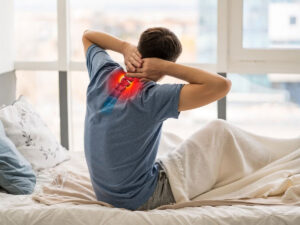

Living with persistent back pain can affect everything from work to sleep and even simple daily movements. But when does back pain become serious enough to consider surgery like minimally invasive spinal fusion?
Key Takeaways:
- Spinal fusion may be considered when chronic back pain is caused by instability, slipped discs, or degenerative spine conditions.
- Surgery is usually discussed only after non-surgical treatments have not provided relief.
- Minimally invasive spinal fusion uses smaller incisions and specialised instruments.
- The keyhole approach may lead to reduced muscle disruption and a shorter recovery period for suitable patients.
What Is Spinal Fusion and Why Is It Done?
Spinal fusion is a surgical procedure designed to,
- Join two or more vertebrae together.
- Stabilise the spine.
- Reduce painful movement between unstable bones.
- Relieve pressure on nerves.
Your doctor may discuss spinal fusion if you have,
- Degenerative disc disease
- Spondylolisthesis (a slipped vertebra)
- Spinal stenosis
- Recurrent disc problems
- Spine instability after trauma or previous surgery
Surgery is generally considered only when pain persists despite conservative treatment or nerve symptoms such as weakness or numbness worsen. Daily functions are significantly affected as well.
What Is Minimally Invasive Spinal Fusion?
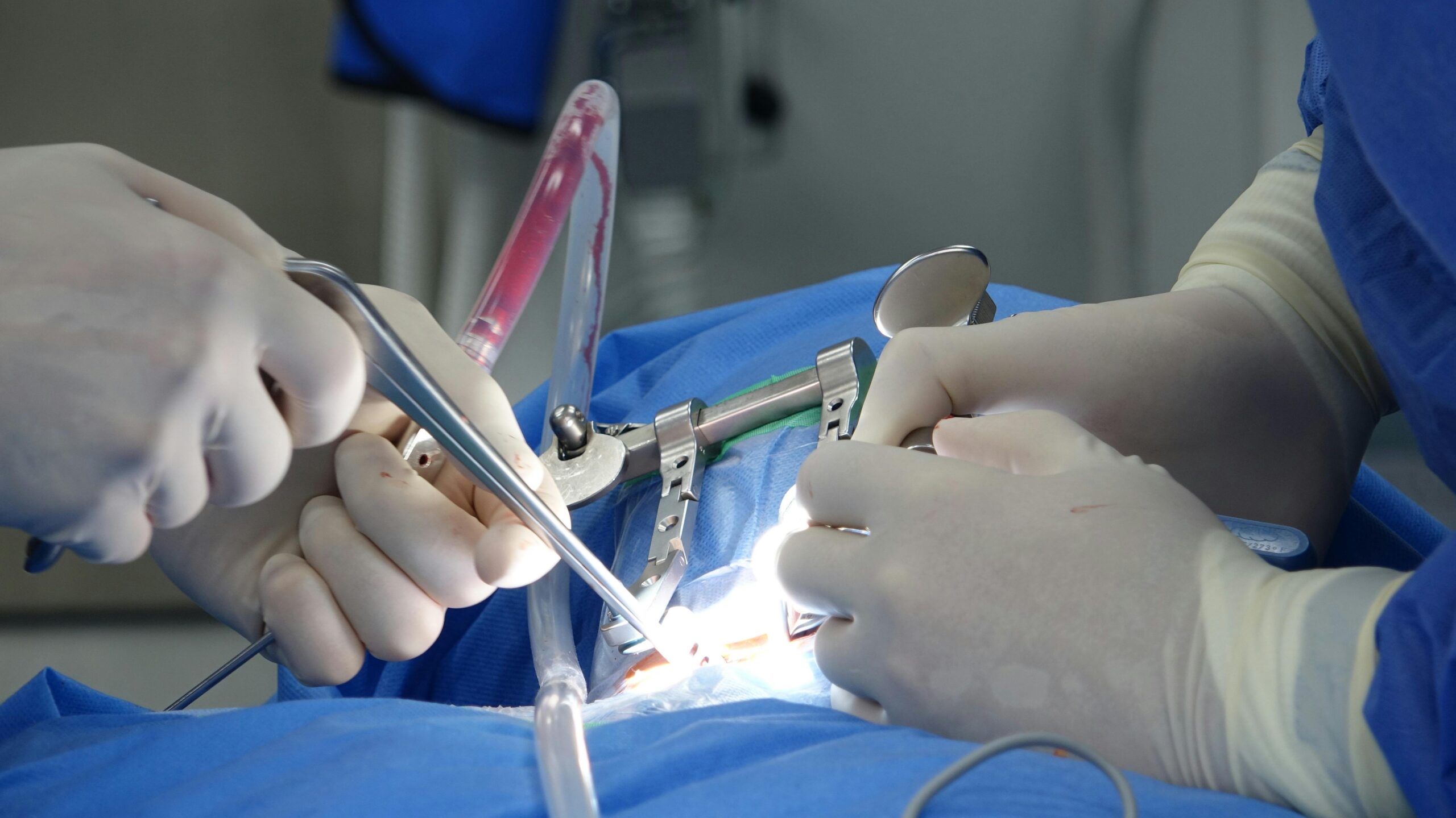
Minimally invasive spinal fusion is a technique where surgeons operate through small incisions instead of a large open cut. Instead of moving large sections of muscle away from the spine, specialised instruments and imaging guidance are used to,
- Access the spine through narrow pathways
- Insert screws or implants with precision
- Place bone graft material to encourage fusion
This technique is sometimes referred to as a “keyhole” method because of the smaller surgical openings.
When Is the Keyhole Method Used?
Not all spine conditions are suitable for the minimally invasive approach. It may be considered when,
- Only one or two spinal levels are affected.
- The instability is localised.
- There is no severe spinal deformity.
- The patient’s overall health supports surgery.
Potential benefits may include,
- Smaller incisions
- Less muscle disruption
- Reduced blood loss
- Shorter hospital stay
- Possibly quicker return to daily activities
However, suitability depends on careful medical evaluation and imaging studies.
Is Minimally Invasive Spinal Fusion Safe?
All surgeries carry risks. These may include,
- Infection
- Bleeding
- Nerve injury
- Incomplete fusion
- Need for further surgery
Your doctor will explain the potential benefits and risks based on your specific condition. Treatment outcomes can vary between individuals, and no surgical result can be guaranteed.
Frequently Asked Questions (FAQs)
1. How long does recovery take after minimally invasive spinal fusion?
Recovery varies between individuals. Some patients may resume light activities within weeks, but full fusion of the bone can take several months. Your doctor will provide personalised guidance.
2. Will I completely lose movement after spinal fusion?
Fusion reduces movement at the treated segment of the spine. However, the rest of the spine continues to move normally. Many patients do not notice a significant limitation in everyday activities.
3. Is spinal fusion my only option for chronic back pain?
Not necessarily. Surgery is usually considered after non-surgical treatments have been explored. A thorough assessment helps determine the most appropriate approach.
4. Is the keyhole method suitable for everyone?
No. The decision depends on factors such as the number of affected spinal levels, spinal alignment, and overall health. A detailed consultation and imaging tests are required.
5. When Should You Seek Medical Advice?
You should consider a medical evaluation if you experience persistent back pain lasting several months, pain radiating to the legs, numbness or weakness, difficulty standing or walking. Early assessment may help prevent further complications.
Speak With a Spine Specialist in Singapore
If you are struggling with ongoing back pain and want to understand whether minimally invasive spinal fusion may be appropriate for your condition, a professional evaluation is important.
At the Centre for Orthopaedics in Singapore, our orthopaedic team provides evidence-based assessment and personalised treatment plans tailored to each patient’s needs. Consider booking a consultation today to discuss your symptoms and explore your treatment options in a safe and informed manner.
Parents who are unsure about their child’s symptoms may consider arranging a consultation to receive clear guidance, reassurance, and advice on preventing future occurrences.